
The Right Way to Fast during Menopause (and the 5 mistakes that backfire!)
Quick Read: 7 minutes
What You'll Learn:
The 5 biggest fasting mistakes menopausal women make
How to do intermittent fasting the RIGHT way for your stage
Why most women quit too soon (and how to avoid it)
The exact approach that works for women 40-60+

So you've decided to try intermittent fasting!
Maybe you read last week's blog about whether it's safe. Maybe your friend is raving about her results. Maybe you're just desperate for something—anything—that might help with the weight that's been creeping on, the energy that's been tanking, or the brain fog that's making you forget why you walked into a room.
So you Google "intermittent fasting." You find a plan. You jump in.
And within two weeks? You're exhausted, irritable, obsessing about food, and ready to quit. How do I know this? Well, because I’ve been there. I’ve tried intermittent fasting a few times with very mixed results!
Here's what probably happened to you (and me!): You made one (or more) of the five mistakes that cause most women to fail at fasting during menopause.
And here's the thing—these aren't YOUR mistakes. They're the mistakes of the advice you followed. Generic plans designed for 25-year-old men. Influencers who've never experienced a hot flash. Articles that treat all women over 40 like we're identical.
We're not identical. And the approach that works for us is different.
So let me show you the right way to fast during menopause—and the five mistakes that will sabotage you before you even get started.

Mistake #1: Going Too Hard, Too Fast (The 16:8 Trap)
Here's how most women start fasting:
Monday morning, 6am. You wake up full of motivation. You read that 16:8 (fasting for 16 hours, eating in an 8-hour window) is the "standard" for intermittent fasting. So you skip breakfast. Push through the hunger. White-knuckle it until noon.
By 10am, you're shaky. By 11am, you're irritable. By noon, you're so hungry you inhale your lunch without tasting it.
By day three, you feel terrible. By week two, you've quit.
Here's what went wrong: You didn't ease in. You went from 0 to 100.
Your body has been eating breakfast for 40+ years. Your metabolism, your hormones, your stress response—they're all used to that pattern. And now you're suddenly asking your already-stressed perimenopausal or menopausal body to handle a 16-hour fast with zero preparation?
That's not discipline. That's a recipe for cortisol chaos.
The Right Way:
Start with 12:12. That's it. Finish dinner by 7pm, don't eat again until 7am. You're basically just eliminating late-night snacking.
After two weeks of 12:12 feeling easy, move to 13:11. Then 14:10. Then, if you feel good, 16:8.
Why this works: You're teaching your body to use fat for fuel gradually. Your cortisol doesn't spike. Your hunger hormones (ghrelin and leptin) have time to adjust. You build metabolic flexibility instead of shocking your system.
Real Results:
This literally happened to me. I tried it, white knuckled my way through hunger at 10am and to be honest, I’m not sure I felt any better after lunch! I did have an initial dip in weight but then it plateaued really quickly! Why? Because cortisol (stress) was pumping through. my body and signalling to my body to hold onto weight! Great!!! (enter eye roll
The bottom line: Slow and steady beats aggressive and miserable every single time. Start small. Build up. Your body will thank you.
Mistake #2: Not Eating Enough Protein (The Muscle Loss Disaster)
Let me tell you what happens when women in menopause fast without prioritising protein:
You lose weight. Great! Except... you're not just losing fat. You're losing muscle. And in menopause, when we're already at risk for muscle loss (thanks, declining estrogen), this is a disaster.
Less muscle = slower metabolism = harder to lose fat = more likely to regain weight.
Plus, less muscle = increased risk of osteoporosis, falls, fractures, and loss of independence as you age.
Here's the brutal truth: If you're fasting and not eating enough protein, you're sabotaging your long-term health for short-term weight loss.
The Right Way:
Aim for 100-120g of protein per day, minimum. If you're active or over 60, aim for 120-140g.
Break that down across your eating window:
Meal 1: 30-40g protein (3-4 eggs or Greek yogurt with protein powder or leftover dinner)
Meal 2: 40-50g protein (palm-sized portion of chicken, fish, beef, tofu)
Snack (if needed): 20-30g protein (protein shake, handful of nuts with cheese, protein bar)
Why this matters: Protein preserves muscle mass during weight loss. It keeps you full (reducing the temptation to break your fast early). It stabilises blood sugar. And it supports your metabolism.
What 30g of Protein Looks Like:
4 eggs
150g Greek yogurt + 1 scoop protein powder
120g chicken breast
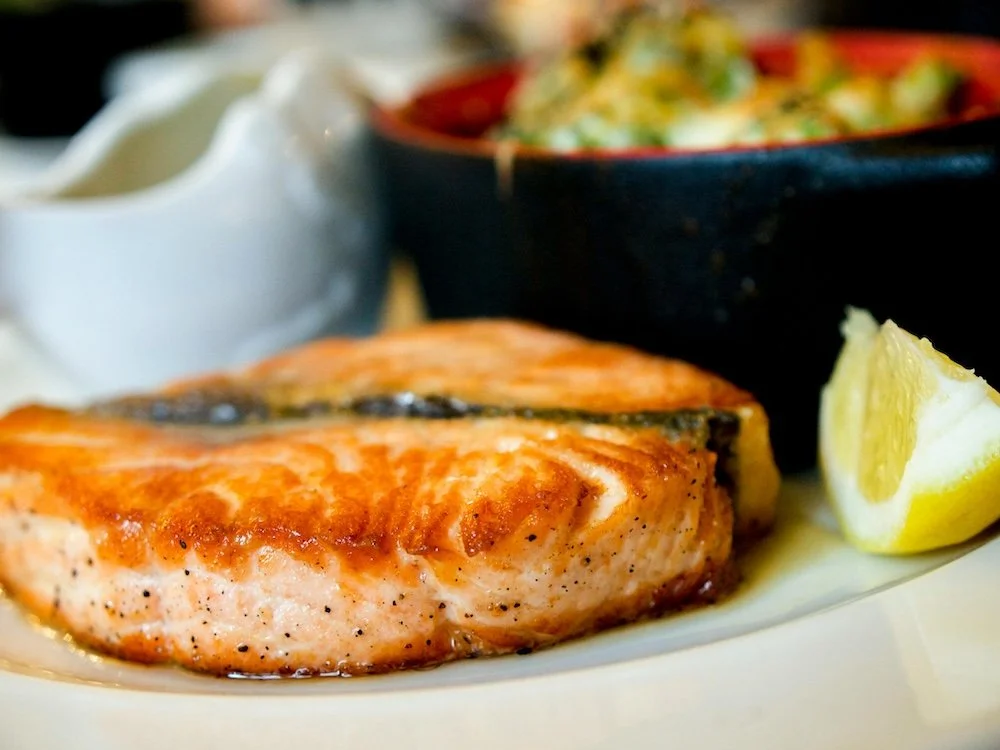
150g salmon
200g tofu + 2 tablespoons hemp seeds
1 cup cottage cheese
Pro tip: Track your protein for one week. Most women are shocked to discover they're eating 40-60g per day when they need 100-120g. Once you see the gap, you can fix it.
The bottom line: Fasting without adequate protein is like renovating your house by tearing down the walls instead of the clutter. Protect your muscle at all costs.

Mistake #3: Fasting on High-Stress Days (The Cortisol Compounding Effect)
Picture this: You've got a huge presentation at work. You slept poorly. You're anxious. Your to-do list is overwhelming.
And you decide to fast.
Bad idea.
Remember from last week's blog: fasting raises cortisol. It's a hormetic stress—beneficial in the right context. But when you're already stressed? You're compounding stress on top of stress.
The result:
Your anxiety spikes
Your focus tanks
You're irritable and short-tempered
You crave sugar and carbs desperately
Your body holds onto belly fat (because high cortisol stores visceral fat)
You're not getting the benefits of fasting. You're just drowning in cortisol.
The Right Way:
Cycle your fasting based on your stress levels.
Low-stress days (work from home, lighter schedule, good sleep): Fast confidently
Medium-stress days (normal workload, decent sleep): Fast, but shorten your window if needed (14:10 instead of 16:8)
High-stress days (big presentation, terrible sleep, overwhelmed): Don't fast. Eat breakfast. Prioritise protein and blood sugar stability.
Why this works: You're working WITH your body's stress response, not against it. You get the benefits of fasting when your body can handle it, and you support your body when it needs extra fuel. This is exactly what I do, being a lot more flexible and it works so much better. I encourage you to find your rhythm and don’t feel you failed if you don’t hit the 16:8 every time. You are learning to work WITH your body. That is the win!
The bottom line: Fasting is a tool, not a prison sentence. Use it strategically, not religiously.

Mistake #4: Drinking Your Fasting Window Away (The Coffee and Diet Coke Trap)
"I'm fasting, so I'll just have black coffee."
Then another coffee. And another. And a diet Coke. And maybe some sparkling water with a splash of lemon. And another coffee.
By noon, you're jittery, anxious, dehydrated, and your stomach is in knots.
Here's what's happening: Caffeine on an empty stomach spikes cortisol even more than fasting alone. It also increases stomach acid, which can make you feel nauseous and uncomfortable. And artificial sweeteners in diet drinks can spike insulin and trigger cravings—defeating the whole point of fasting.
Plus, you're using caffeine to suppress hunger instead of building true metabolic flexibility. That's not sustainable.
The Right Way:
Limit caffeine during your fasting window.
First thing in the morning: 1 cup of black coffee or tea is fine (enjoy it!)
Mid-morning: Switch to herbal tea, water, or sparkling water (plain, no sweeteners)
If you need another coffee: Have it WITH your first meal, not on an empty stomach
Hydration matters: Aim for 2-3 litres of water during your fasting window. Add a pinch of sea salt or a squeeze of lemon to help with absorption and electrolytes.
What breaks a fast (avoid these):
Milk, cream, or any caloric addition to coffee
Artificial sweeteners (stevia, sucralose, aspartame)
Diet sodas
Lemon water with sweetener
Bone broth (yes, it has calories and breaks your fast)
What doesn't break a fast:
Black coffee or tea
Herbal tea (unsweetened)
Plain water
Sparkling water (plain)
Water with a small squeeze of lemon (minimal calories)
The bottom line: Coffee isn't a meal replacement. Treat it as a small pleasure, not a crutch to get through your fast.

Mistake #5: Ignoring Hunger Cues and Pushing Through (The Orthorexia Risk)
This is the most dangerous mistake—and the one I see most often.
You set your fasting window. 16:8. That means you don't eat until noon.
But at 11am, you're genuinely hungry. Not "I'm bored" hungry. Not "I'm used to eating now" hungry. But real, physical hunger—stomach growling, energy dropping, feeling shaky.
And you ignore it. You push through. You tell yourself, "It's only one more hour. I can do this."
This is not discipline. This is ignoring your body's signals. And it's dangerous.
When you consistently override your hunger cues, you risk:
Developing disordered eating patterns
Obsessing about food and meal times
Feeling out of control around food when you finally eat
Using fasting as punishment or control
Sliding into orthorexia (an unhealthy obsession with "healthy" eating rules)
The Right Way:
Listen to your body. Always.
If you're genuinely hungry before your eating window opens, eat something small and protein-rich:
A hard-boiled egg
A handful of nuts
A small piece of cheese
A few bites of leftover protein
Yes, technically this "breaks your fast." And that's okay.
The goal isn't to win a fasting competition. The goal is to improve your health, energy, and relationship with food.
If you find yourself constantly hungry before your window opens, it's a sign you need to:
Shorten your fasting window (do 14:10 instead of 16:8)
Eat more protein and fat in your meals (keeps you fuller longer)
Manage your stress better (stress increases hunger)
Assess if fasting is right for you right now
Warning Signs You're Overdoing It:
You're obsessing about the clock and meal times
You feel anxious or guilty if you eat outside your window
You're using fasting as punishment for eating "bad" foods
You binge or feel out of control when you break your fast
You're judging others (or yourself) based on fasting adherence
Your period becomes irregular (if you're still cycling)
You're losing hair, feeling cold all the time, or constantly exhausted
If any of these apply, stop fasting immediately and talk to a healthcare provider or health coach. Your relationship with food matters more than any fasting protocol.
The bottom line: Your body is not the enemy. It's giving you information. Listen to it. Honor it. Trust it. That's true health.
Quick Answers to Your Burning Questions:
What if I'm starving in the morning? Eat something protein-rich. Don't force yourself to fast if your body is screaming for food. You might need to shorten your window or eat more at dinner.
Can I work out during my fasting window? Yes, but start with light exercise (walking, yoga). If you're doing intense workouts, you might need to eat before or after. Listen to your body.
What if I plateau after a few weeks? Plateaus are normal. Make sure you're eating enough protein, strength training, and not in too big a calorie deficit. Sometimes you need to take a break from fasting for a week.
Should I fast every single day? No! Most women do better with 4-5 days per week. Cycle your fasting based on stress, sleep, and your menstrual cycle (if you're still cycling in perimenopause).
What if my partner/family doesn't understand? Have a conversation. Explain that this isn't a diet, it's a health strategy. You're not being difficult—you're taking care of your body. If they're not supportive, this might be a bigger conversation about respect and boundaries.
Put the mask on you first, use Intermittent Fasting strategically and thrive again!
Want more evidence-based menopause advice? Subscribe below and get my FREE Top Sleep Tips PDF.