

Why Your 3am Wake-up isn’t random!
Your eyes snap open. 3:14am. Your brain immediately turns on—to-do lists, worries, random thoughts. And you know you won't fall back asleep easily. This isn't random, and it isn't insomnia. Your 3am wake-up is a signal. Discover the 5 main causes of middle-of-the-night waking in perimenopause (blood sugar crash, cortisol spike, night sweats, progesterone decline, nervous system activation), how to tell which one is yours, what to do in the moment when you wake, and how to address the root causes so you can sleep through the night again.
Stop Chasing Energy. Stabilise It.
For years, you ran on adrenaline and caffeine. It worked—until perimenopause changed the rules. Now the same energy tactics that powered you through pitches, deadlines, and 14-hour days leave you crashed by 2pm, wired-tired at night, and running on empty. You're not creating energy anymore—you're just surviving. Discover the difference between chasing energy (what depletes you) and stabilising it (what actually works), plus the 5 energy stabilisers that create sustainable energy instead of constant crashes.

Why Nothing Fixes Your Perimenopause Exhaustion. And What Actually Will!
You've tried sleeping more, taking supplements, eating better, managing stress. And you're still exhausted. Here's why: you're trying to fix ONE thing when THREE systems are struggling. Your energy depends on three interconnected systems—hormonal, metabolic, and nervous—and perimenopause destabilises all of them. Discover which system is YOUR biggest drain, why fixing just one won't work, and the strategic approach that actually addresses what's broken.

Why Perimenopause Fatigue Isn’t Just About Sleep.
What if more sleep isn’t the answer?
Perimenopause fatigue is often misunderstood. It’s not just about how long you’re sleeping — it’s about what your body is dealing with during the day. Hormones, stress, blood sugar and nutrient levels all play a role, which is why exhaustion can persist even when you’re doing “everything right.” In this week’s blog, we unpack what’s really driving your fatigue — and what to focus on instead.

How To Lower Your Baseline Stress Without Overhauling Your Life
What if all these well-meaning self care approaches are adding more stress and more guilt? Self care is a vital part of working with your body during perimenopause, but it’s only one side of the coin. You also need to look at how you can reduce your baseline stress to give you and your nervous system more space. In this weeks blog we dig into exactly how to do this without re-inventing your whole life!
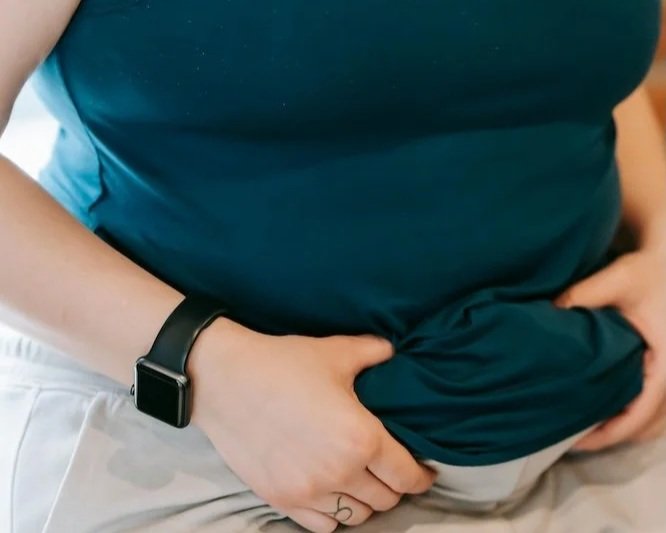
Why Midlife Belly Fat Isn't Just About Calories
Have your jeans ever suddenly not fit the same way? Not tighter everywhere—just around your middle. This isn't about discipline. Your body isn't failing—it's communicating. Belly fat during perimenopause sends three signals: chronic stress, shifted hormones, and changed insulin sensitivity. Discover why "eat less, move more" backfires and what actually works when you understand what your body is telling you.

The 3 Signals Your Nervous System Is Overloaded (And What To Do About Each One)
I jumped when my son said my name. My brain couldn't form words in a meeting. By evening, I was exhausted but couldn't sleep—mind racing at 11pm, 2am, 4am. Three different states in one day. All the same root cause: nervous system overload. During perimenopause, your nervous system gets stuck in survival mode—treating everything like a threat. Discover the 3 unmistakable signals your nervous system is overloaded, why "just relax" doesn't work, and the specific protocols that actually help each type of dysregulation.

Why Your Stress Tolerance Shrinks in Perimenopause (And What To Do About It)
A friend of mine lost it over a spoon in the sink. She used to handle actual crises without breaking a sweat. Now? Small things can send her over the edge. Your stress tolerance hasn't shrunk because you're weak—it's shrunk because perimenopause removed your hormonal shock absorbers. Oestrogen and progesterone used to buffer stress. Now they're declining, and everything feels impossible. Discover what's actually happening to your stress response system, why you're stuck in threat mode, and the strategic adaptations that actually help.

Movement That Feels Good: Why Joy Matters More Than You Think!
I really tried to love running. My friends raved about it. I made progress with Couch to 5K. And I hated every single minute of it. Then I discovered strength training and step classes (yes, it's 1995 again) and realized: movement you dread creates stress before you even start. Discover why joy isn't optional for sustainable fitness, how to tell if you're listening to your body or just being lazy, and why the best workout is the one you'll actually do.

The Menopause Bone Loss Crisis (And How to Fight Back)
My 79-year-old mum has the bones of a 30-year-old. Her secret? She's not a gym fanatic—she's a fashion designer who's been lifting boxes for 40 years. Most of us won't be so lucky. Menopause silently steals up to 20% of your bone density in just 5-7 years. Read how she accidentally built unbreakable bones, why your current routine is potentially failing you, and exercises that rebuild bone density. Strong bones aren't just about preventing fractures—they're about freedom.

The Cortisol Connection: Why Your HIIT Obsession Might Be Backfiring
Doing HIIT five times a week but can't lose weight? Exhausted but can't sleep? Constantly craving sugar? The problem isn't your willpower—it's cortisol. That 6am bootcamp might be sabotaging your results, not improving them. After 40, intense workouts can backfire, keeping your body in survival mode. Discover why "working harder" fails during perimenopause, what hormone-friendly movement actually looks like, and how to train smarter instead of harder.

Strength Training is a non negotiable as we become wiser!
Think you're too old to start strength training? Or worried you'll get "bulky"? Here's the truth: after 40, strength training isn't optional—it's essential. Your bones are literally breaking down, your metabolism is slowing, and cardio alone won't save you. Discover why lifting weights is your secret weapon for protecting your bones, boosting your metabolism, and staying independent well into your 70s and beyond. Plus, get the exact steps to start at home without a gym membership.

What to Eat (and Not Eat) to Get the Most Out of Fasting
Doing intermittent fasting but not seeing results? The problem isn't the fasting—it's what you're eating during your eating window. Many women sabotage their fasting results with poor food choices that spike blood sugar and trigger inflammation. Discover exactly what to eat (and avoid) to support hormone balance, boost energy, and finally see the results you've been promised.

How to Sync Intermittent Fasting with Your Cycle (Or Symptoms if You're Postmenopausal)
Here's what nobody tells you about intermittent fasting: you're not supposed to do it the same way every day. Your menstrual cycle has four seasons—winter, spring, summer, and autumn—and each one needs a different fasting approach. Discover how to work WITH your hormones instead of fighting them (and why you should stop fasting during PMS week).

The Right Way to Fast during Menopause (and the 5 mistakes that backfire!)
Tried intermittent fasting and quit within two weeks? You probably made one of these 5 common mistakes. Discover why most women fail at fasting during menopause—and the exact step-by-step approach that actually works for women 40-60+.
Is Intermittent Fasting Safe for Perimenopause and Menopause?
Is intermittent fasting safe during menopause? The answer depends on YOUR hormonal stage. Discover why fasting in perimenopause requires caution, when it works best postmenopause, and how to know if your body is ready—with real research and client stories.
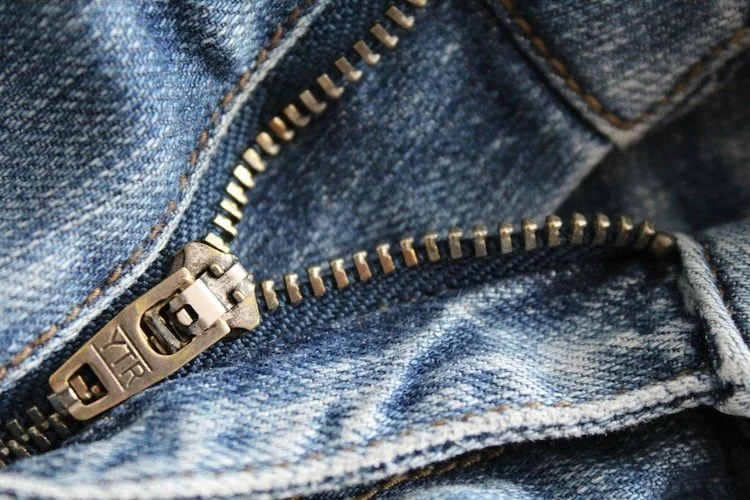
Why Do My Jeans Hate Me? (And Other Tales of Menopause Bloating)
Menopause bloating making your jeans unbearable by 10am? Discover 5 science-backed fixes that actually work—no restrictive diets or guesswork required.

How Stress Wrecks Your Gut (oh and hormones too!)
Stress isn’t just in your head — it wreaks havoc on your gut and therefore your hormones too. Last blog we discovered how the gut and hormones are connected…In this blog discover how your midlife nervous system can trigger mood swings, sleep issues, and hot flushes, and learn simple, practical ways to calm your body and reclaim your balance.

Gut Health: Secret Weapon for Menopause Relief
Did you know, hormones and your gut are intricately connected? So much so that if you want relief from some of your menopausal symptoms, your gut is probably the first place to start. In this first blog of the series on gut and menopause, we dive into the basics of why and some simple tactics to support your gut and yourself.

The Midlife Trifecta: Sugar, Caffeine & Wine
Think your morning coffee, afternoon chocolate, and evening wine are harmless rituals? For many midlife women, these “normal” habits quietly hijack hormones, disrupt sleep, and drain energy. This blog unpacks how sugar, caffeine, and alcohol affect your cortisol, oestrogen, and sleep—and how small shifts can bring your balance (and sanity) back