
Why Midlife Belly Fat Isn't Just About Calories
Quick Read: 6 minutes
What You'll Learn:
Why the same diet and exercise that worked at 35 doesn't work at 45
What your body is actually communicating through belly fat (it's not failure)
The cortisol-insulin-hormone connection explained simply
Why "eat less, move more" backfires during perimenopause
What actually works to shift stubborn midlife weight
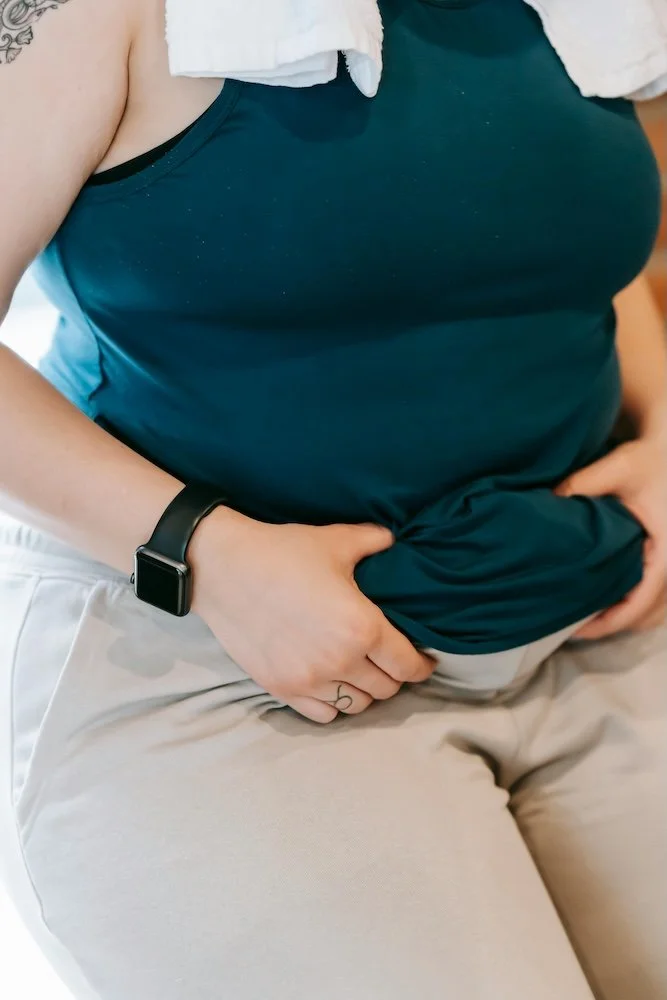
Have you ever had your jeans suddenly not fit the same way?
Not tighter everywhere. Just... around your middle.
You're eating the same. Moving the same. Maybe even trying harder than you used to.
But your body is changing shape anyway.
And you think: What am I doing wrong?
Here's the truth: You're not doing anything wrong.
Your body isn't failing you. It's communicating with you.
And once you understand what it's saying, everything shifts.
The Relief You Need to Hear First
Before we get into the science, let's clear something up:
You're eating well. You're exercising. You're doing everything you've been told is "right."
And your waistband still doesn't fit the way it used to.
This isn't about discipline.
You haven't failed. You haven't gotten lazy. You haven't lost your edge.
Your biology changed. The rules that worked at 35 don't work at 45.
Not because you're broken. Because the game changed.
And nobody gave you the new rulebook.
What Your Body Is Actually Communicating
Belly fat isn't just excess weight. It's information.
Your body is sending you three very specific messages. Let me translate.
Message 1: "I'm Chronically Stressed"
When cortisol—your primary stress hormone—stays elevated (and we talked in my two previous blogs about why it does during perimenopause), your body interprets this as:
"There's a threat. There might be famine coming or a tiger chasing me! Store energy around the middle for quick access."
Your body isn't being difficult. It's trying to protect you.
It thinks you're in danger (chronic stress signals danger). So it holds onto fat in the most metabolically accessible place—your belly—just in case you need quick energy to survive.
Misguided? Yes. But protective.
The communication: High cortisol equals belly fat storage. This is a stress signal, not a food problem.
Message 2: "My Hormones Shifted"
Before perimenopause, oestrogen directed fat storage to your hips, thighs, and butt. That's subcutaneous fat—relatively harmless, metabolically quiet.
When oestrogen declines during perimenopause, fat distribution shifts. Now it goes to your belly. Visceral fat—metabolically active, inflammatory, and unfortunately, linked to higher health risks.
Same amount of body fat. Different location.
This isn't about gaining weight (though that can happen too). It's about your body storing fat differently because the hormonal instructions changed.
The communication: "Oestrogen used to tell me where to store fat. Now those instructions are different."
Message 3: "My Insulin Sensitivity Changed"
Here's what's happening: perimenopause changes how your cells respond to insulin.
The same food that you could eat and be ok with now spikes your blood sugar higher and keeps it elevated longer.
Sugar in high quantities in your blood is actually toxic for your organs. To protect you and help reduce that level of toxicity, insulin instructs your fat cells to open up and take in all that sugar out of the blood to help reduce high blood sugar.
High insulin equals fat storage mode. Especially around your middle.
So that packet muesli that worked fine for breakfast at 35? At 45, it's triggering a different metabolic response.
The communication: "The same food is hitting my system differently now. I need different support."

Why Your Body Is Smarter Than Willpower
Your body is an ancient bio-computer. It has incredible wisdom. It's not betraying you—it's responding to biological signals.
And this is why the conventional advice—"just eat less and move more"—backfires so spectacularly during perimenopause and menopause.
Here's what happens when you restrict calories too much:
Your body interprets under eating as famine. Another stressor. So it:
Slows your metabolism to conserve energy
Increases cortisol (starvation is stressful)
Holds onto fat even more tightly
Breaks down muscle (which you desperately need)
You lose muscle, not fat. Then when you eat normally again, you gain it back—plus extra.
Here's what happens when you add intense exercise to an already-stressed system:
Remember last week’s blog? Your nervous system can't tell the difference between life stress and exercise stress.
Adding HIIT or bootcamps when your cortisol is already elevated just adds more stress.
More stress equals more cortisol equals more belly fat storage.
You're working harder. Your body is storing more fat. The math doesn't add up!
The truth: You can't willpower your way through a hormonal shift. You have to work WITH your body's signals, not override them.
What Actually Works (When You Listen to Your Body)
Here's the shift: instead of fighting your biology, support it.
1. Lower Your Baseline Cortisol
We've covered this in Week 1 and Week 2, but here's why it matters for belly fat:
Chronic cortisol equals belly fat storage. This is non-negotiable.
You cannot out-exercise or out-diet chronically high cortisol.
What helps:
Daily walks (gentle, not intense—you're regulating stress, not adding to it)
Sleep priority (7-8 hours, same schedule—cortisol regulation happens during sleep)
Nervous system regulation (breath work, meditation, grounding, reducing overwhelm)
This isn't "nice to have." It's foundational. Without this, nothing else works well.
2. Stabilise Your Blood Sugar
This is the most powerful lever you have right now.
Protein at every meal: 25-30g
Palm-sized portion of protein
Especially at breakfast (sets your blood sugar tone for the entire day)
Prevents insulin spikes and crashes
Pair carbs with protein and fat
Never eat carbs alone
This slows digestion and prevents blood sugar spikes
Example: Apple with almond butter, not apple alone
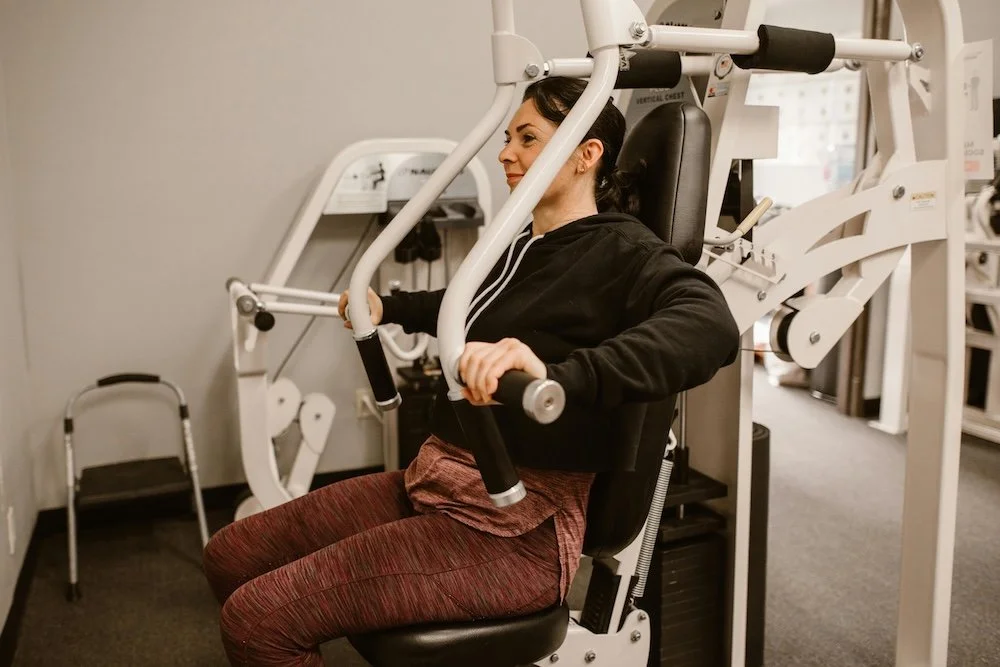
Here's the body literacy piece: Notice how you feel 2 hours after eating.
Energised and steady? Your blood sugar is stable.
Crashed, foggy, craving sugar? That meal spiked and crashed your blood sugar.
That's information. Use it to adjust what you eat next time.
3. Keep Up Your Strength Training
We covered this in February, so I won't belabor it. But here's why it matters for belly fat:
Muscle improves insulin sensitivity.
The more muscle you have, the better your cells respond to insulin. Better insulin response = less fat storage.
Strength training doesn't spike cortisol the way intense cardio does.
2-3 sessions per week. Moderate intensity. Progressive overload.
This changes body composition even if the scale doesn't move much.
4. Eat Enough (Yes, Really)
This might be the hardest one to accept, but it's crucial:
Under eating is a stress signal.
Your body needs adequate nutrition to:
Build and maintain muscle
Regulate hormones
Support metabolism
Function without panic
Protein: 1.2-1.6g per kilogram of body weight.
Healthy fats: Like for example avocado or Olive oil. They support hormone production. Don't fear them.
Enough food overall: This isn't "eat whatever you want." It's "eat strategically to support your biology."
When you eat enough of the right things, your body feels safe. When it feels safe, it stops holding onto fat so tightly.
5. Consider HRT
For some women, hormone replacement therapy helps shift fat distribution back and improves insulin sensitivity.
It's not a magic fix, but for many women, it makes a significant difference.
Worth discussing with your doctor. Not everyone is a candidate, but it's information worth having.

The Mindset Shift That Changes Everything
This is critical - your belief system will either support you or stop you moving forward.
If this is your old story: "I just need more discipline. I'm eating too much. I'm not exercising enough. I'm failing."
I would love this to be your new story: "My body is communicating. The rules changed. I'm learning to listen and respond differently."
This isn't about lowering your standards or giving up.
It's about being strategic instead of just grinding harder.
It's about working WITH your body instead of trying to force it into submission.
What This Is NOT About
Let's be very clear:
This isn't saying belly fat doesn't matter. It does—visceral fat increases health risks. That's real.
This isn't saying you should just accept it and do nothing. You absolutely can address it.
This isn't anti-weight loss. If losing weight is important to you (for health, for how you feel, for any reason), that's valid.
What this IS:
Understanding what's actually driving the change so you can address root causes—cortisol, insulin, hormones—not just symptoms.
Working smarter, not just harder.
Respecting your body's intelligence instead of overriding it.

The Bottom Line
Your jeans fitting differently isn't a character flaw.
It's your body responding to hormonal signals that fundamentally changed.
Same effort. Different biology. Different results.
Once you understand what your body is communicating—chronic stress, shifted hormones, changed insulin sensitivity—you can respond strategically.
Lower cortisol. Stabilise blood sugar. Build muscle. Eat enough.
Work WITH your body, not against it.
Not sure if stress and cortisol are your biggest barrier?
I created a Cognitive Performance Score to show you exactly where your stress response is dysregulated—and how that’s impacting your energy, recovery, and fat storage.
It takes 2 minutes.
You’ll see:
where your system is overloaded
why your body is holding onto fat
what to address first
Because your body isn't broken. It's just speaking a different language now.
And once you learn to listen? Everything shifts.
Quick Answers to Your Burning Questions:
Q: I've tried everything and the belly fat won't budge. Is it hopeless? A: No. But "everything" might have been the wrong things. If you've been restricting calories and doing intense cardio, you've been adding stress to a stressed system. Start with lowering cortisol (sleep, nervous system regulation, gentle movement) and stabilizing blood sugar (protein, paired meals). Give it 6-8 weeks of consistency. Your body needs to feel safe before it releases fat.
Q: How long does it take to see results when you address cortisol and insulin? A: Blood sugar stabilisation often improves energy and cravings within 1-2 weeks. Cortisol regulation takes 4-6 weeks of consistent practice to shift meaningfully. Body composition changes (including belly fat reduction) typically show up around 8-12 weeks. This isn't fast. But it's sustainable. And it addresses root causes, not just symptoms.
Q: Can I still lose weight during perimenopause and menopause or is my metabolism permanently broken? A: Your metabolism isn't broken. It's different. You can absolutely lose weight during perimenopause and menopause—but the approach that worked before won't work now. You need to work WITH your hormones (stabilise blood sugar, manage cortisol, build muscle) instead of against them (restrict calories, over-exercise). When you support your biology, your body responds.
Q: What about intermittent fasting? Does that help or hurt? A: It depends. For some women, intermittent fasting works beautifully—it helps with insulin sensitivity and gives the digestive system a break. For others (especially if cortisol is already high or sleep is poor), fasting adds stress and backfires. The key: if fasting makes you feel energised and clear, it's likely helping. If it makes you exhausted, irritable, or unable to sleep, it's adding stress. Listen to your body.
Q: Is all belly fat bad or is some normal? A: Some belly fat is normal and healthy. The concern is excess visceral fat (fat around organs, not just under the skin). You can't see the difference visually. But functionally: if your waist circumference is increasing significantly, that's worth addressing. Not for aesthetics—for metabolic health.
Q: Do I need to completely cut out carbs/sugar/alcohol? A: No. Extreme restriction usually backfires. What works better: strategic choices. Pair carbs with protein and fat. Choose complex carbs over refined. Limit added sugar without demonising it. If you drink alcohol, do it occasionally and mindfully—alcohol does affect insulin and cortisol, but occasional consumption isn't the enemy. This is about the 80/20 approach: most of the time, support your biology. Some of the time, live your life.
Put the mask on you first, work with your body not against it and thrive again!
Want more evidence-based perimenopause and menopause advice straight to your inbox?
Subscribe below and get my FREE Top Sleep Tips for Women in Menopause PDF.