
The Menopause Bone Loss Crisis (And How to Fight Back)
Quick Read: 6 minutes
What You'll Learn:
Why menopause accelerates bone loss at an alarming rate (up to 20% in just 5-7 years)
The shocking statistics about fractures that should scare you into action
Why walking and swimming won't save your bones (sorry)
The exact types of exercise that actually build bone density
How to start bone-building movement safely (even if you've never lifted weights)
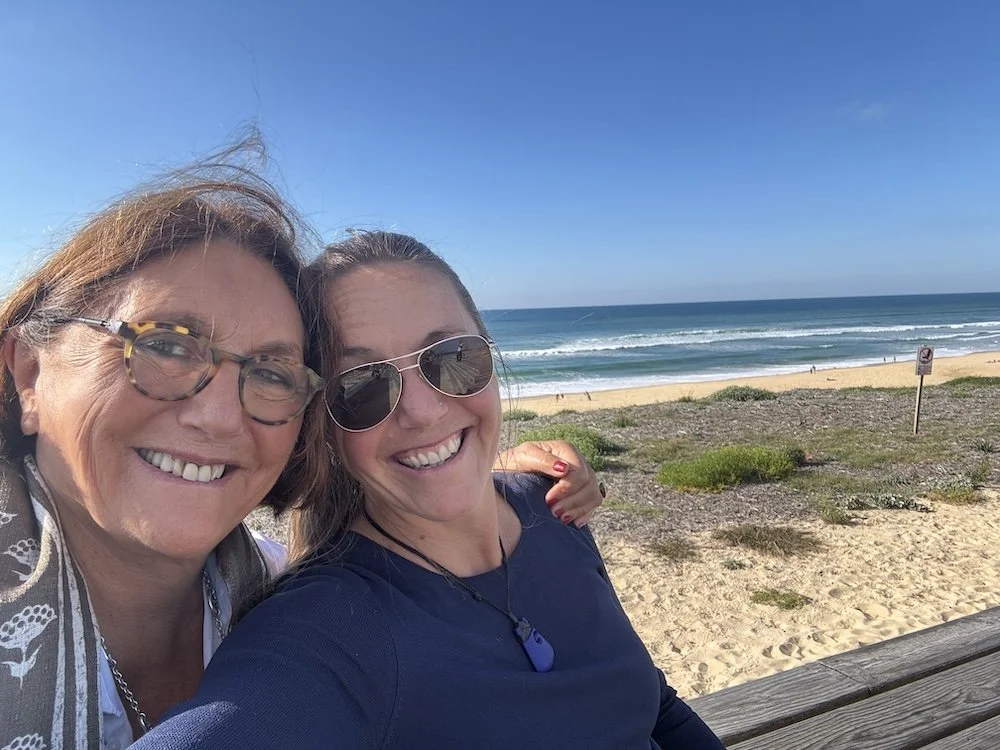
Lesson’s from my mum…
My 79-year-old mum recently had a bone marrow test. The doctors were shocked.
She has the bone density of a 30-year-old.
Last year, she had a fall and fractured a vertebra. The doctor told her that if her bones weren't so strong, she'd likely be looking at major surgery, months of recovery, or worse.
So what's her secret? Is she a gym fanatic? A lifelong athlete?
Nope. She's a fashion designer.
For over 40 years, she's been lifting boxes of garments when deliveries arrive. Lugging clothes to fashion shows and events. Hauling heavy camera equipment for photoshoots (she's also a photographer). Playing tennis. Trekking with weighted backpacks.
She didn't know she was doing "bone-building exercise." She was just living. Working. Doing what she loved.
And her bones? They got the message loud and clear: stay strong. We need you.
Here's the problem: most of us aren't lifting garment boxes every day. We're not hauling equipment up hills or carrying heavy loads as part of our work.
Which means we need to be intentional about it.
Because after menopause? Our bones are in crisis mode. And by the time we notice, it's often too late.
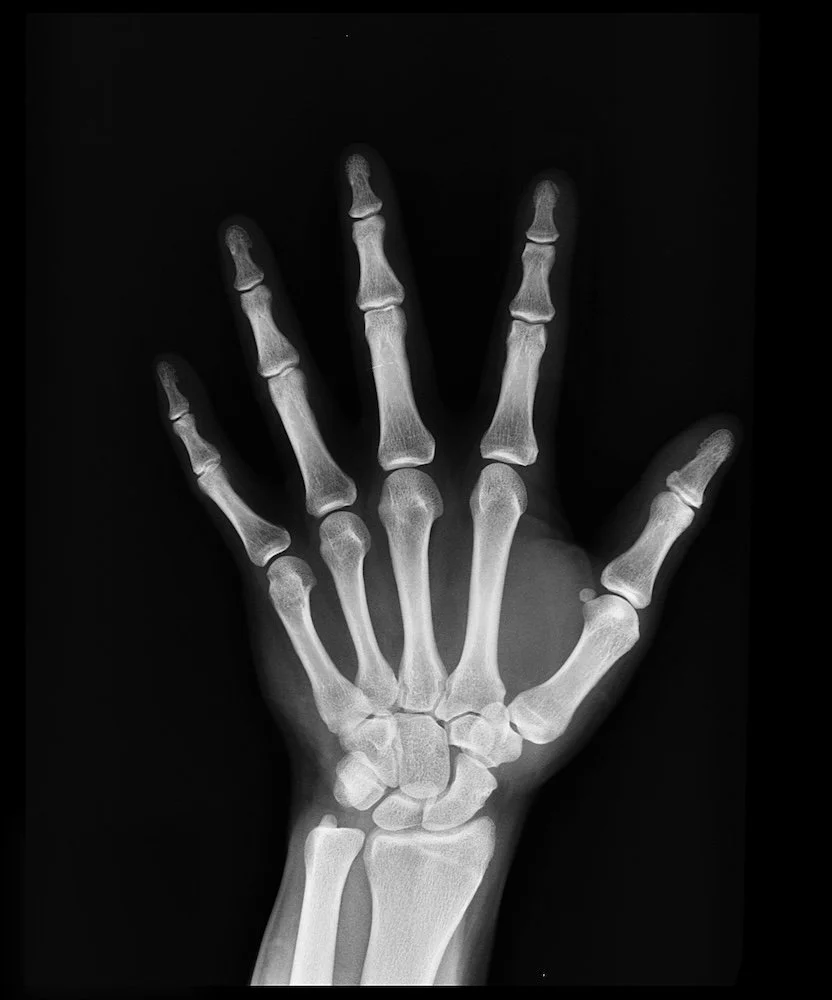
The Crisis: What Menopause Does to Your Bones
Let's not sugarcoat this. Menopause doesn't just give you hot flashes and mood swings. It's silently devastating your bones.
Here's what's actually happening:
Oestrogen protects your bones. It slows down the cells that break down bone and supports the cells that build new bone. When oestrogen drops during menopause, that protection vanishes.
In the first 5-7 years after menopause, women can lose up to 20% of their bone density. Twenty percent. Gone.
After that initial rapid loss, you continue losing about 1-2% per year.
By age 50, one in two women will experience an osteoporosis-related fracture in their lifetime.
Hip fractures have a 20% mortality rate within the first year. Not from the fracture itself, but from the complications—immobility, pneumonia, blood clots, loss of independence that follows.
Women lose bone density six times faster than men after menopause.
There are no symptoms. No warning signs. No pain. Until something breaks.
I don’t want to scare you but most of us are walking around completely unaware that it's happening.
The bone density you have (or don't have) in your 50s and 60s determines whether you're hiking at 75 or terrified of falling on a wet floor.
Why Your Current Exercise Routine Isn't Saving You
Time for some tough love:
Walking doesn't build bone density. I know. Everyone (including me!) says "just walk more!" Walking is fantastic for your heart, your head, your overall health. But your bones need MORE stress than walking provides to get stronger. Walking maintains what you have at best. It doesn't build new bone.
Swimming doesn't build bone density either. Great for joints and lungs. Terrible for bones. You're buoyant in water—there's no load on your skeleton. No load means there is no signal for your bones to build.
Yoga alone isn't cutting it. Yoga is wonderful for flexibility, balance, and sanity and I do this every day. Balance matters hugely for preventing falls. But most yoga doesn't provide enough load to stimulate bone growth.
So what DOES work?
Your bones respond to two things: IMPACT and LOAD.
Impact says: "We're experiencing forces. Better get stronger." Load says: "We're carrying heavy things. We need to handle this."
Without these signals? Your bones assume they're not needed. And they break themselves down to conserve resources.
It's brutal. But it's biology.
What Actually Builds Bone Density (The Science-Backed Stuff)
Here's what actually works to fight back against menopause bone loss:
Weight-bearing exercise. Any exercise where your bones support your body weight against gravity. Squats, lunges, step-ups, running, jumping, dancing. Your skeleton is working to hold you up.
Impact exercise. Yes, some impact is GOOD for your bones (unless you have existing joint issues). Jumping, stomping, running, skipping. The impact sends a powerful signal: strengthen up or break.
Resistance training with progressive overload. This is the gold standard. Lifting weights, using resistance bands, or your own bodyweight—with increasing difficulty over time. This directly loads your bones and forces adaptation.
Target the high-risk zones. Focus on exercises that load your hips, spine, and wrists—the most common fracture sites. Squats and deadlifts for hips. Rows and planks for spine. Push-ups for wrists.
Here's the key: You need enough weight or intensity that it feels challenging. Not "I'm going to injure myself" challenging. But "this requires real effort" challenging.
Your bones respond to stress. No stress means no adaptation which means continued bone loss.
You cannot gentle your way out of this crisis.
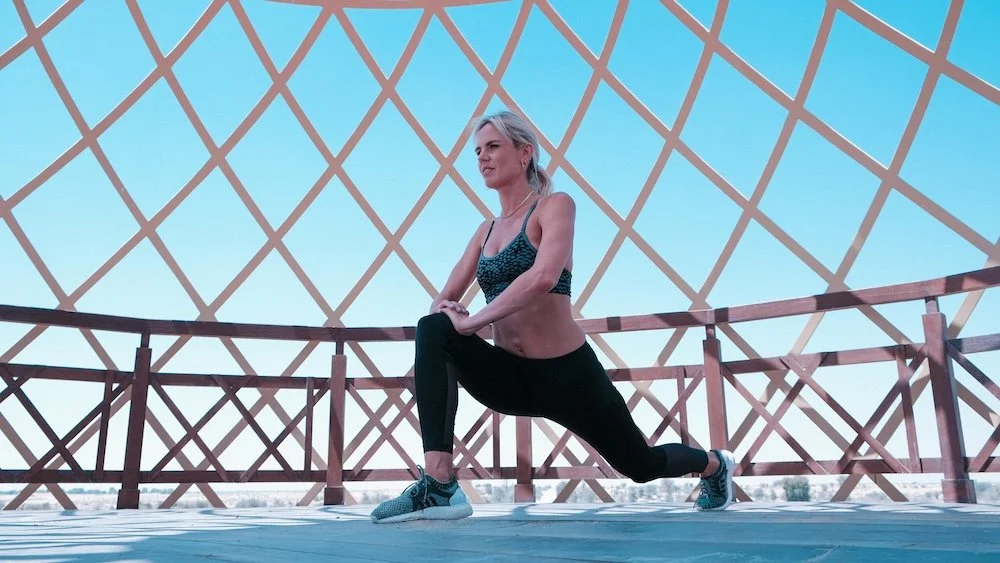
How to Start Fighting Back (Your Action Plan)
If you're a complete beginner:
Start with bodyweight exercises that load your bones:
Squats: Sit-to-stand from a chair if needed. Work up to bodyweight squats.
Wall push-ups: Progress to counter push-ups, then floor push-ups.
Step-ups: Use stairs or a sturdy step. This loads your hips.
Heel drops: Stand on the edge of a step, rise up on your toes, then drop your heels down with controlled force. This creates impact through your legs, hips, and spine. Do 10-20 reps, 2-3 times per day.
Standing on one leg: Balance work prevents falls. Practice while brushing your teeth.
If you have some experience:
Add resistance and impact:
Squats holding dumbbells or a weighted backpack
Proper push-ups (knees or toes)
Lunges with weights
Deadlifts (start light, focus on form—this is GOLD for bone density)
Small jumps or jump rope (if joints allow)
Overhead presses (great for spine and wrists)
Farmer's carries (walk holding heavy weights—just like my mum carrying garment boxes)
Your progression strategy:
Frequency: 2-3 sessions per week minimum. Your bones need consistent signals to rebuild.
Form first: Bad form leads to injury. Injury sets you back months. Learn proper technique before adding weight. Plenty of great Youtube content for this.
Progressive overload: Gradually increase the challenge. Add weight, add reps, add sets, or add impact—but only one variable at a time.
Listen to your body: Muscle soreness is normal. Joint pain is not. Sharp pain means stop and reassess.
Balance matters: Strong bones don't help if you're falling constantly. Practice balance exercises. Get up and down from the floor regularly.
The Supplement Question (Because Everyone Asks)
Yes, calcium and vitamin D matter. Magnesium and vitamin K2 also play supporting roles.
But here's the brutal truth: you cannot supplement your way out of this.
Supplements provide the raw materials. Exercise provides the signal to USE those materials to build bone.
It's like delivering bricks to a construction site but never telling the builders to actually build. The materials just sit there doing nothing.
Get your nutrients through food when possible: dairy, leafy greens, fatty fish, nuts, seeds. Supplement if needed (most of us need vitamin D). But the exercise is non-negotiable.
The Bottom Line
My mum didn't set out to have the bones of a 30-year-old at 79. She just lived an active life that consistently loaded her skeleton.
Most of us don't have jobs that require daily heavy lifting. So we have to be intentional.
Menopause is coming for your bones. (Or it's already here.) You can either fight back or watch them crumble.
The choices you make right now—in your 40s, 50s, 60s—determine whether you're independent and active at 75, or fragile, fearful, and limited.
Ready to fight back? My FREE Strength Training Starter Guide includes bone-building exercises you can do at home, with clear progressions so you can start where you are and build safely.
[Download it here] and start sending your bones the signal they desperately need: we need you strong.
Because this isn't about vanity. It's not about fitting into smaller jeans.
It's about being able to pick up your grandkids. Travel without fear. Live independently. Not spend your 70s and 80s terrified of falling.
Strong bones will give you freedom.
And that's worth fighting for.
Quick Answers to Your Burning Questions:
Q: I already have osteopenia or osteoporosis. Is it too late? A: No. Studies show that even people with diagnosed bone loss can improve bone density with the right exercise. You might need to start more conservatively and work with a physio who understands osteoporosis, but it's absolutely not too late. My mum's vertebra fracture could have been catastrophic—her strong bones saved her from major surgery.
Q: Can I reverse bone loss or just slow it down? A: Both. You can significantly slow the rate of loss, and in many cases, you can actually rebuild bone density—especially if you catch it early. The earlier you start, the better. But even starting at 60 or 70 makes a massive difference to fracture risk and quality of life.
Q: What if I'm scared of falling or getting injured? A: Valid concern, especially with low bone density. Start with supported exercises (holding a counter for squats, wall push-ups). Work on balance separately. Consider working with a physio initially. But understand this: the risk of NOT exercising (weak bones + poor balance + fear of movement) is far greater than the risk of starting carefully and progressively.
Q: How do I know if I have low bone density? A: You can't know without testing. A DEXA scan measures bone mineral density and is the gold standard. Women over 65 are often routinely screened. But if you have risk factors (family history, early menopause, thin frame, eating disorder history, long-term steroid use), ask your doctor about getting screened earlier.
Q: Do I need to get a bone density scan? A: If you're post-menopausal or have risk factors, yes—ask your doctor. Knowing your baseline helps you track progress. But don't let the lack of a scan stop you from starting bone-building exercise NOW. The exercise benefits you regardless of your current bone density.
Q: What if I've already had a fracture? A: Then you especially need this. A fracture is a red flag that your bones are in trouble. Work with your doctor or a physio who specialises in osteoporosis. They can guide safe progressions. A fracture is a wake-up call—use it.
Q: How long does it take to build bone density? A: Bone remodeling is slow. Measurable improvements on a DEXA scan typically take 12-18 months of consistent training. But functional improvements—feeling stronger, more stable, more confident—happen much sooner. This is a long game. Start now.
Put the mask on you first, grow strong bones and thrive again!
Want more evidence-based perimenopause and menopause advice straight to your inbox?
Subscribe below and get my FREE Top Sleep Tips for Women in Menopause PDF.