
Movement That Feels Good: Why Joy Matters More Than You Think!
Quick Read: 6 minutes
What You'll Learn:
Why forcing yourself through workouts you hate is sabotaging your results
How to recognise what your body actually needs (vs what Instagram or even friends tell you)
The hormone signals you're missing when you override your body
Why "no pain, no gain" is bullshit for women over 40
How to build a movement practice you'll actually stick with (and enjoy)
I really tried to love running…really!
Many of my friends raved about it. The runner's high. The flow state. The zen of pounding the pavement. They'd come back from runs glowing, talking about how it cleared their heads and energised them.
So I downloaded the App “Couch to 5K”. I laced up my shoes. I committed.
And I hated every single minute of it.
Don't get me wrong—I made progress. The app worked. I went from wheezing after 60 seconds to actually completing a 5K run. I should have felt accomplished. Proud, even.
But I never once finished a run and thought, "I can't wait to do that again."
Instead, I'd spend the entire run counting down the minutes until I could stop. My knees would ache (family history of bad knees, so that fear was always lurking). My body felt punished, not energised. And the "runner's high" everyone talked about? Maybe showed up only a few times for me if I’m really honest.
I kept at it because I thought I should. Because everyone else loved it. Because surely if I just pushed through long enough, I'd discover what they were experiencing.
Then one day I asked myself: why am I forcing my body to do something it clearly hates?
The Day I Gave Myself Permission to Quit
Here's what changed everything: I started strength training and actually enjoyed it.
I could see progress—not just on some app, but in how I felt. Lifting something that felt impossible last month. Doing a full push-up after that humiliating family competition and now closing in on 10! Feeling capable and strong instead of depleted and punished.
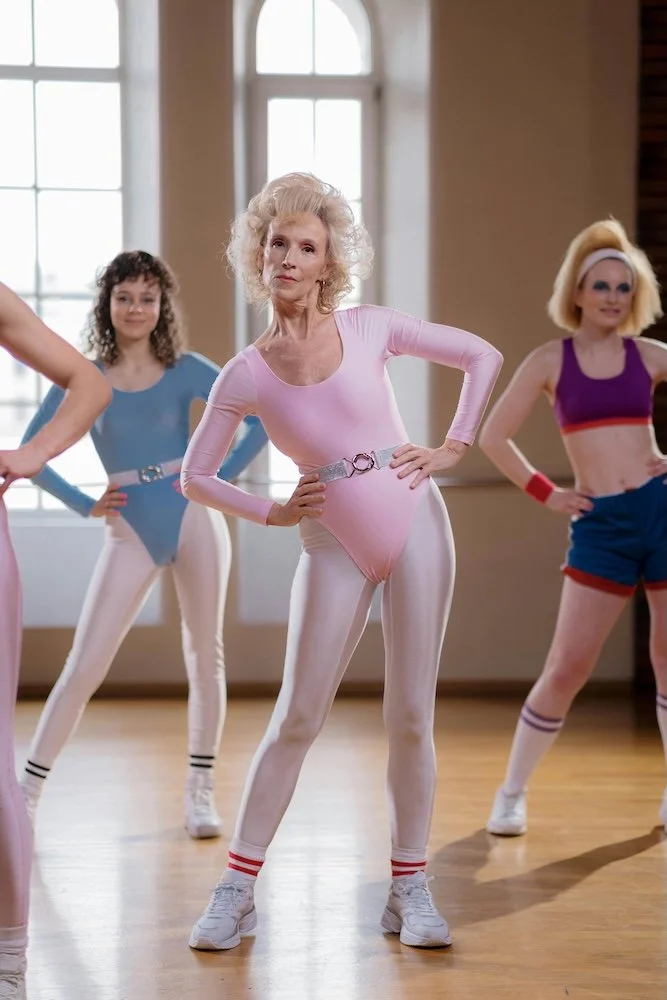
That was the time I also asked myself, in my life, what exercises did I enjoy for cardio? The answer: Step Classes! Yes, step classes! Like it's 1995 and I'm wearing a scrunchie. And you know what? I don't care. They're fun. The music is good. I get my cardio in without dreading every second.
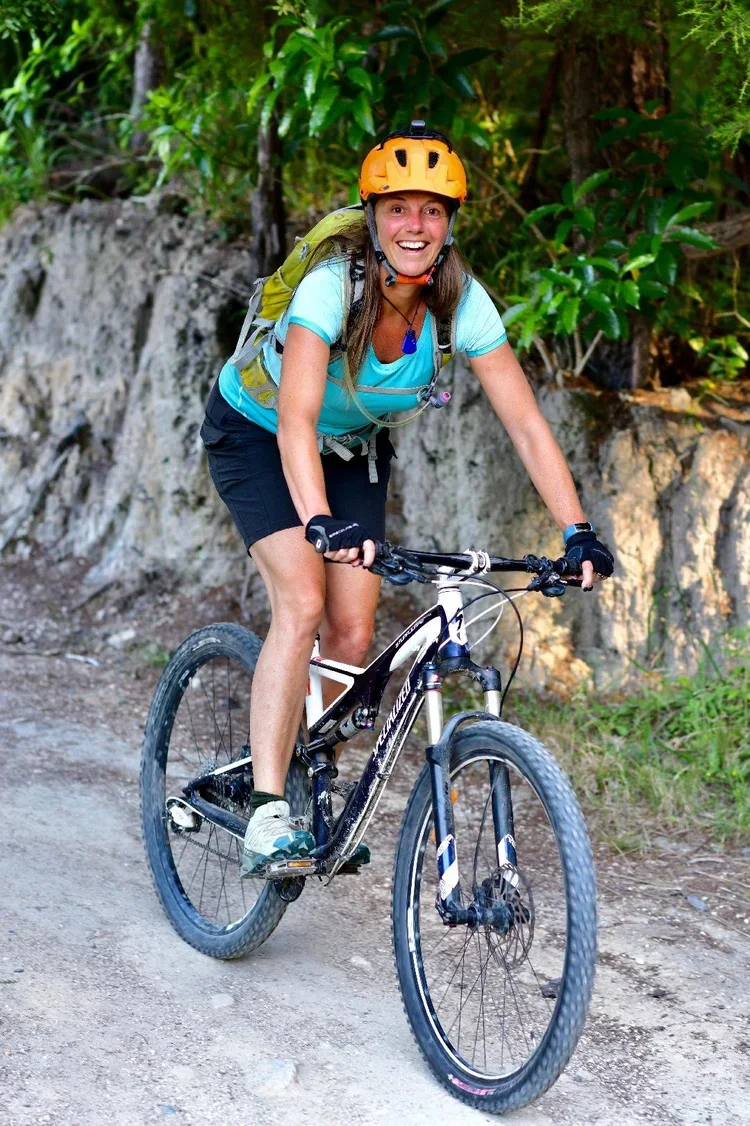
Mountain biking? Also a win. I'm outside, I'm moving, I'm focused on the trail—not on how much longer until I can stop.
None of these feel like punishment. They feel like things I GET to do, not things I HAVE to do.
And that difference? It's everything.

Why Forcing Yourself Through Hated Workouts Is Sabotaging You
Here's what I didn't understand when I was grimly forcing myself through runs: your body registers dread as stress.
Before you even start that workout you hate, your cortisol is already rising. Your nervous system is already in "threat mode." You're creating a stress response before a single burpee or kilometre.
And we've already talked about cortisol in a previous blog. You know what chronic cortisol elevation does: disrupts sleep, slows metabolism, stores belly fat, messes with your hormones.
Now add "exercise I dread" to your already-stressed life (work, family, menopause, all of it), and you're piling stress on top of stress.
Your body doesn't differentiate between types of stress. It just knows: STRESS. THREAT. SURVIVE.
Meanwhile, movement you actually enjoy? That sends completely different signals. Joy, pleasure, accomplishment—these are healing hormonal responses. They support recovery. They make you want to move again tomorrow.
Consistency beats intensity every single time. And you know what makes you consistent? Actually wanting to do the thing.
The "No Pain, No Gain" Lie
Let's be clear: "no pain, no gain" is bullshit.
Especially for women over 40.
That mantra was created by (and for) young men whose bodies recover quickly, whose hormones are stable, and who culturally have been taught to override their bodies' signals as a badge of honour.
Women's bodies work differently. Our hormone fluctuations mean our capacity changes week to week, sometimes day to day. After 40, our recovery takes longer. Our stress tolerance drops.
Pushing through when your body is screaming "NO" doesn't make you tough. It makes you inflamed, exhausted, and injured.
There's a massive difference between:
Discomfort (productive, building strength, challenging yourself)
Suffering (destructive, ignoring pain signals, punishing your body)
Discomfort says: "This is hard but I can do this." Suffering says: "This feels wrong and I want it to stop."
Learn to tell the difference. Your body knows. You just have to listen.
What "Listening to Your Body" Actually Means
I know, I know. "Listen to your body" sounds like wellness woo. Like an excuse to never challenge yourself.
But here's what it actually means:
Recognising the difference between:
Tired (need a rest day or gentler movement)
Fatigued (need actual rest, maybe multiple days)
Sore (muscles rebuilding, productive)
Injured (sharp pain, something's wrong, stop)
Challenged (this is hard but good)
Destroyed (this is too much right now)
Reading your energy and stress levels:
High-stress week at work? Not the week for high-intensity workouts.
Slept terribly? Today is not HIIT day. Go for a walk instead.
Feeling strong and energized? Great—push a bit harder.
If you're still menstruating, reading your cycle:
Follicular phase (after period): energy higher, can push harder
Ovulation: peak strength and energy
Luteal phase (before period): energy drops, need gentler movement
During period: listen to what feels right (some women feel great, others need rest)
Perimenopause/menopause fluctuations:
Your capacity changes week to week as hormones fluctuate wildly. What felt fine last week might feel impossible this week. That's not weakness. That's biology.
This isn't being lazy. It's being intelligent about working WITH your body instead of against it.
Hormone-Aware Movement: Working With Your Body
After 40, hormone-aware movement becomes crucial.
Your hormones—cortisol, estrogen, progesterone—affect everything: your energy, recovery, mood, capacity for stress.
High cortisol day? (Poor sleep, stressful week, feeling wired) - Gentle movement. Walking, yoga, light strength training. Don't add more stress.
Low energy, brain fog, irritable? (Classic perimenopause symptoms) - Not the day to push hard. Move gently or rest completely.
Feeling strong, slept well, stress is manageable? - Great. This is when you can push edges, lift heavier, try something challenging.
The women who thrive through perimenopause and beyond? They're not the ones who rigidly stick to their plan regardless of how they feel. They're the ones who adapt. Who honour what their body needs that day.
This isn't weakness. It's wisdom.
Finding Joy in Movement (Yes, It's Allowed)
Somewhere along the way, we decided that exercise had to be miserable to be effective.
That if you enjoyed it, you weren't working hard enough. That suffering was the price of results.
Absolute garbage.
Movement can be joyful. Should be joyful, even.
Here's what makes movement enjoyable:
Music that moves you (literally—step classes, dance, whatever gets you going)
Being outdoors (hiking, biking, walking in nature)
Social connection (classes with friends, tennis, group rides)
Novelty and fun (trying new things, playing, not taking it so seriously)
Mastery and progress (seeing yourself get stronger, more capable)
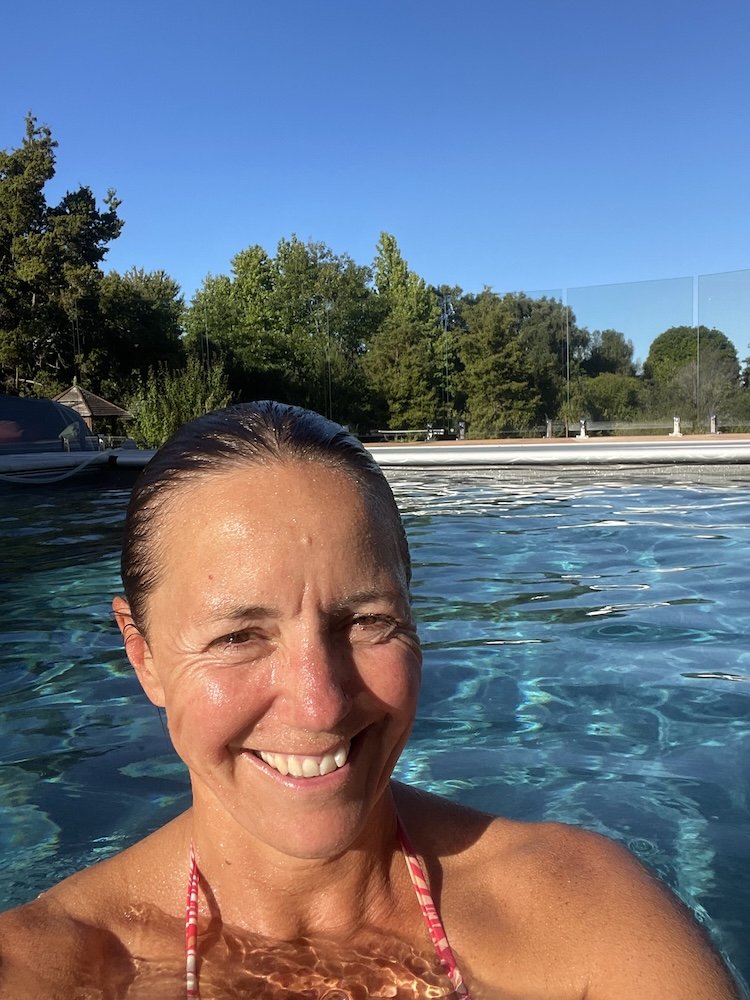
Freedom (mountain biking, swimming, movement that feels like flying)
You're allowed to enjoy your workouts. You're allowed to prioritise fun. You're allowed to quit things that feel like punishment.
It's okay to not love running, even if all your friends do. It's okay to hate spin class, even if it's trendy. It's okay to think CrossFit is hellish, even if Instagram disagrees.
Find YOUR thing. Not what you "should" do. Not what works for everyone else. What actually makes you want to move.
For me? Strength training where I can see myself getting stronger. Step classes that feel like a 90s party. Mountain biking where I'm focused on the trail, not my workout stats.
What's yours?
Building a Movement Practice That Lasts
Here's the framework that actually works:
Mix what you NEED with what you LOVE.
You need: Strength training 2-3x/week (for bones, metabolism, functional fitness). Some form of cardio for heart health.
You love: Whatever makes you actually want to move. Dancing, hiking, swimming, tennis, biking, whatever.
The 80/20 rule: 80% of your movement should feel sustainable and enjoyable. 20% can be pushing edges and challenging yourself hard.
If 80% feels like punishment? You won't stick with it. And consistency is what gets results, not intensity.
Give yourself permission to change. What works in your 40s might not work in your 50s. What feels good in summer might not work in winter. Your body and life are constantly evolving. Your movement practice can too.
Find your people. Community and accountability that feel supportive, not punishing. Friends who celebrate what your body can do, not shame what it can't. People who make movement social and fun, not a competition.
Celebrate capability over punishment. Every workout isn't about burning calories or "earning" food or fixing what's "wrong" with your body. It's about what your body can DO. The strength you're building. The adventures you can have. The life you can live.
That's the shift that changes everything.
The Bottom Line
I wasted months forcing myself to run because I thought I should love it.
Now? I strength train because it makes me feel capable. I do step classes because they're genuinely fun. I mountain bike because it feels like freedom.
None of it feels like punishment. All of it is sustainable.
And that's the secret: the best workout is the one you'll actually do.
Not the one that burns the most calories. Not the one Instagram says is optimal. Not the one your friends swear by.
The one that makes you want to show up again tomorrow.
Ready to build strength in a way that actually feels good? My FREE Strength Training Starter Guide gives you the framework to get stronger without the suffering—movement that supports your hormones, not stresses them out.
[Download it here] and start building a movement practice you'll actually stick with.
Because at 75, you won't remember which workout burned more calories.
You'll remember which ones made you feel alive.
Quick Answers to Your Burning Questions:
Q: What if I feel guilty resting when I "should" work out? A: That guilt is programming, not truth. Rest is productive. It's when your body repairs, rebuilds, and gets stronger. If your body is asking for rest, that's not laziness—it's information. Listen to it. The guilt will lessen as you see that rest actually improves your results.
Q: How do I know if I'm listening to my body vs just being lazy? A: Honest question: are you generally someone who avoids all movement and makes excuses constantly? Or are you someone who shows up consistently but sometimes needs a break? If you're the latter, you're not being lazy—you're being wise. True laziness is a pattern. Listening to your body is situational and responsive. If you are lazy, then start really small. Turn up for 10mins or even 5…but turn up consistently.
Q: What if the only exercise that works for my schedule is early morning but I hate it? A: Two options: (1) Find something you hate less for that time slot, or (2) Reorganise your schedule. I know that sounds impossible, but if your current setup makes you dread movement, you won't stick with it long-term anyway. Maybe it's 10 minutes at lunch instead of 45 minutes at 6am. Maybe it's evenings. Sustainability matters more than perfection.
Q: Can I still reach my goals if I'm not constantly pushing hard? A: Yes. In fact, you're MORE likely to reach them. Sustainable, consistent effort beats sporadic intense effort every time. The women who are still strong and active at 70? They're not the ones who burned themselves out pushing too hard in their 40s. They're the ones who found a sustainable rhythm.
Q: What if I don't enjoy any exercise? A: Then stop calling it exercise. Call it movement. Play. Adventure. What did you love as a kid? Riding bikes? Swimming? Dancing? Playing? Start there. Or ask: what makes me feel alive? Is it being outside? Music? Friends? Build movement around those things. You don't have to love "exercise." You just need to find ways to move that don't feel like punishment.
Q: How do I find "my thing"? A: Trial and error, honestly. Give yourself permission to try things and quit if you hate them. One month of trying something new won't hurt you. Maybe you hate it—great, cross it off the list. Maybe you love it—even better. Most people never find their thing because they never give themselves permission to experiment. Try. Fail. Try again. You'll find it.
Put the mask on you first, move with joy and thrive again!
Want more evidence-based perimenopause and menopause advice straight to your inbox?
Subscribe below and get my FREE Top Sleep Tips for Women in Menopause PDF.