
Strength Training is a non negotiable as we become wiser!
Quick Read: 6 minutes
What You'll Learn:
Why strength training is literally protecting your bones from breaking down
The myths keeping women weak (and bulky-free, I promise)
How muscle becomes your secret metabolic weapon during menopause
Exactly how to start without a gym membership or fancy equipment

Boy did I get a wake up call!
I had my wake-up call in my living room, courtesy of my three teenage boys and my equally competitive husband.
It started innocently enough. The boys decided to have a push-up competition (because apparently that's what passes for entertainment when you're a teenage male). My husband jumped in, naturally. And me? Well, I've always been reasonably strong. I was confident I could at least hold my own. Ten push-ups? Easy.
Ladies, I could barely do one.
ONE!
My arms shook like I was attempting to bench press a car. My form was... let's call it "creative." And my family? They tried very hard not to laugh. They failed.
Here's the thing nobody tells you about your 40s: your body starts playing this fun game called "use it or lose it," and it turns out most of us haven't been using our muscles nearly enough. Even those of us who thought we were doing just fine, thank you very much.
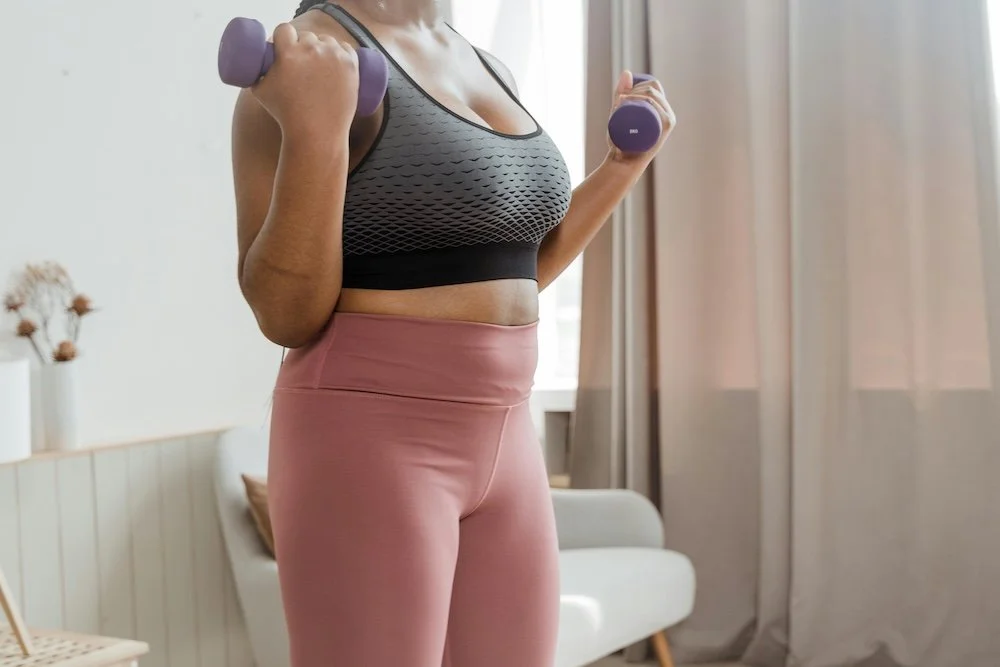
Why This Actually Matters (Beyond Redeeming Yourself in Family Push-Up Competitions)
Look, I could tell you that strength training will give you toned arms for sleeveless dresses, and sure, that's a nice bonus. But let's talk about what really matters when you're navigating perimenopause and beyond.
Your bones are literally breaking down. Not to be dramatic, but after 30, we start losing bone density. Oestrogen, that helpful hormone that's now ghosting us, used to help protect our bones. Without it—and without resistance training—we're on the express train to osteoporosis town. Hip fractures aren't sexy. Being able to hike at 70? Or for me, to continue to fly… That's the dream.
Your metabolism is having a midlife crisis too. Muscle is metabolically active tissue, which is a fancy way of saying it burns calories even when you're doing absolutely nothing. Every gram of muscle you build is like hiring a tiny personal calorie-burning assistant. Meanwhile, if you're only doing cardio, you're just burning calories during the workout and then... nothing. Your body adapts, gets efficient, and suddenly you're running 5k three times a week and your jeans still don't fit.
Functional fitness is the real flex. You know what's empowering? Being able to rearrange your furniture on a whim. Carrying all the grocery bags in one trip (a competitive sport in my house). Playing with your kids or grandkids without throwing out your back. Opening jars without asking for help. These aren't small things—they're independence, dignity, and refusing to become fragile.
Your mental health gets a boost too. There's something deeply satisfying about being physically strong. It changes how you move through the world. Plus, lifting heavy things is an excellent way to work out frustration. Had a terrible day? Deadlift it. Annoying colleague? Squat it out. It's cheaper than therapy and you can grunt without judgment.
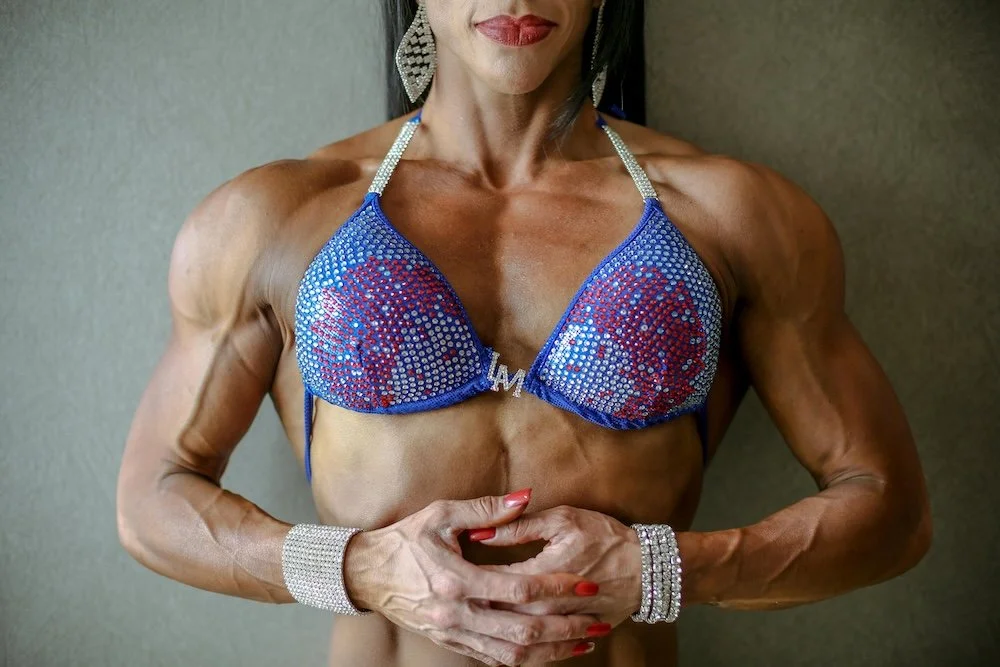
The Myths That Keep Women Weak.
Let's clear up some nonsense that's been holding you back:
"I don't want to get bulky." Oh my friend, I wish it were that easy!…then again maybe not! Building significant muscle mass requires dedicated effort, specific programming, a calorie surplus, and usually a lot of protein and time. You will not accidentally wake up looking like a bodybuilder because you did some bicep curls. It's like worrying you'll accidentally become a concert pianist because you played "Chopsticks" once.
"I'm too old to start." Studies show that people in their 70s and 80s can build muscle and gain strength. Your body doesn't have an expiration date for improvement. In fact, starting strength training now is one of the best investments you can make in your future self. Future You (at 60, 70, 80) will either thank you or curse you. Choose wisely.
"I need to lose weight first." This is backwards thinking. Strength training helps you lose fat while building muscle, which means you might not see the scale move much, but you'll see your body composition change. Plus, muscle is what gives you shape and tone. You can be thin and still be weak and "soft." Or you can be strong, capable, and yes—leaner, because muscle changes everything.
"Cardio is enough." I'm sorry to break this to you, cardio lovers, but running isn't going to build the muscle you need to protect your bones and metabolism. Cardio is great for your heart and lungs. Do it! But it's not a substitute for resistance training. They're teammates, not competitors.
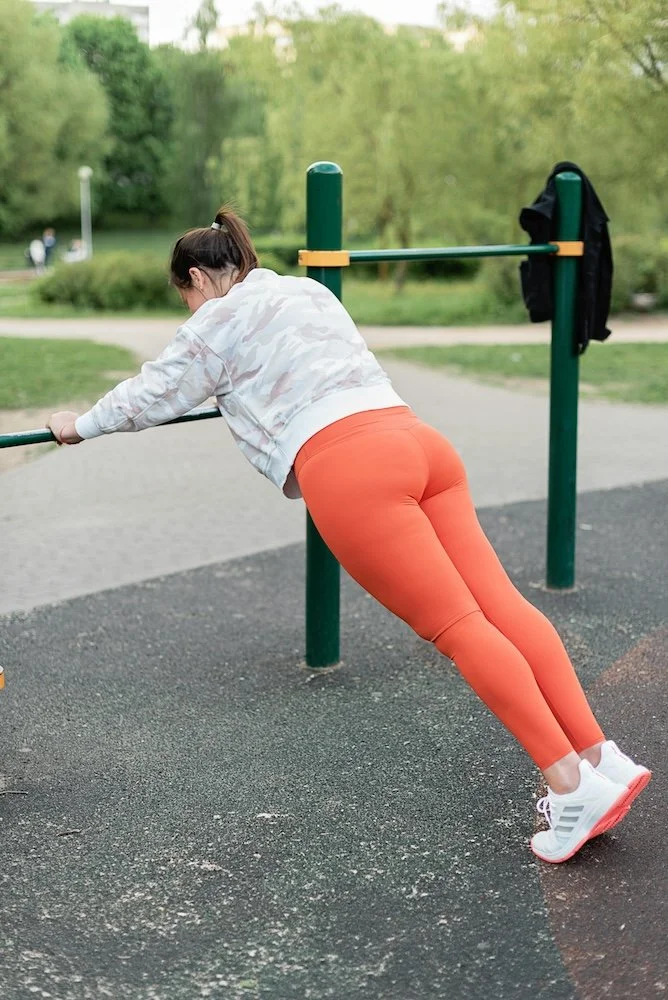
How to Actually Start (Without Intimidation)
Here's the good news: you don't need to join a gym, hire a trainer, or buy a Peloton (though those things are fine if you want them).
Start with bodyweight. Push-ups (modified on your knees if needed), squats, lunges, planks—these all count. Your body is resistance. Use it. And yes, I started back with modified push-ups after my humiliation. We all start somewhere.
Two to three times a week is enough. You don't need to live at the gym. Even a 10-minute session regularly will make a significant difference. Consistency beats intensity every single time.
Progressive overload is your friend. This just means gradually making things harder over time. Add a rep, hold a plank longer, grab a heavier weight. Your body adapts to stress, so you need to keep challenging it. But "harder over time" can happen slowly. This isn't a race.
You can start at home. A set of dumbbells (start with 2-3 kgs and 5-7 kgs) and resistance bands will get you surprisingly far. YouTube has endless free workout videos. Or check out my free Strength Starter Guide for the AI prompt I use to evolve my at home trainings.
The most important thing? Just start. Start messy. Start weak. Start confused. Everyone who's strong now was once exactly where you are (where I was!).
The Bottom Line
Strength training isn't about vanity, though feeling strong in your body is a lovely side effect. It's about building a foundation for the next 40+ years of your life. It's about being independent, capable, and resilient.
It's about the next time your kids challenge you to a push-up competition, you can at least give them a run for their money.
And for me?? With some consistent training, after 10 months I’m now up to 8 push-ups in a row! Not enough to knock my kids and husband out of the competition but at least I’m super happy I’m at least in there! I have my eye on 10 ;-).
Ready to actually start but not sure where to begin? I've created a FREE Strength Training Starter Guide with simple routines you can do at home, no gym required. It includes a 4-week beginner program, exercise demonstrations, and a guide to progressive overload. [Download it here] and let's build some muscle.
Because strength training isn't optional anymore. It's non-negotiable.
And trust me—your future self will thank you when she's still hiking mountains at 75. And crushing your grandkids at push-ups!
Quick Answers to Your Burning Questions:
Q: How long until I see results? A: You'll likely feel stronger within 2-3 weeks (hello, easier grocery carrying!). Visible muscle definition typically shows up around 8-12 weeks with consistent training. But here's the thing: the bone density and metabolic benefits are happening from day one, even if you can't see them yet.
Q: What if I have joint pain or injuries? A: Strength training can actually help with joint pain when done correctly, because stronger muscles support your joints better. Start with bodyweight or very light weights, focus on form, and work around (not through) pain. If you have specific injuries, check with a physio or trainer who can modify exercises for you.
Q: Do I need to eat more protein? A: Short answer: most probably yes. Women over 40 need more protein than we've been told—aim for around 1.2-1.6g per kg of body weight if you're strength training. That's roughly 25-30g per meal. Think: a palm-sized portion of protein at each meal. I have a blog coming up on this soon.
Q: Can I do this if I've never lifted weights before? A: Absolutely! Everyone starts somewhere. In fact, beginners often see the fastest progress (beginner gains are real). Start with bodyweight exercises, learn proper form, then gradually add resistance. There's no prerequisite exam for getting strong.
Q: What about rest days? A: Rest days aren't lazy days—they're when your muscles actually repair and grow. If you're doing full-body workouts, aim for at least one day between sessions. You can do lighter activity (walking, yoga, stretching) on rest days, but your muscles need recovery time.
Q: I'm in perimenopause and gaining weight. Will strength training help? A: Yes! Strength training helps counteract the metabolic slowdown that happens during perimenopause. More muscle equals higher resting metabolism. Plus, it helps with insulin sensitivity, which often becomes an issue during this transition. It won't magically melt fat overnight, but it's one of the most effective tools you have.
Put the mask on you first, make strength training part of your life and thrive again!
Want more evidence-based perimenopause and menopause advice straight to your inbox?
Subscribe below and get my FREE Top Sleep Tips for Women in Menopause PDF.