
What to Eat (and Not Eat) to Get the Most Out of Fasting
Quick Read: 6 minutes
What You'll Learn:
The #1 mistake that sabotages your fasting efforts
Exactly what to eat when you break your fast (and why timing matters)
The foods secretly destroying your progress
How to structure meals to support your hormones during menopause
Why protein and fat are your fasting superpowers

The mistake that's undermining your fasting efforts (and you don't even know it!)
You've finally decided to try intermittent fasting. You've heard the buzz about it helping with everything from stubborn menopause weight to better energy and clearer thinking. You've even figured out your eating window. But then comes the question that could make or break your entire experience: What on earth should you actually eat during that window?
Here's the thing: fasting isn't a free pass to demolish a family-sized bag of crisps the second your eating window opens. I've seen too many women do the hard work of fasting, only to sabotage themselves with poor food choices that leave them feeling worse than before they started. The truth? What you eat when you're NOT fasting matters just as much as the fasting itself.
Let me walk you through exactly what to eat (and avoid) so you can actually reap the benefits you've been promised.
Why Your Food Choices During Your Eating Window Matter SO Much
Think of fasting as giving your body a chance to clean house. During your fasting window, your body gets busy with autophagy (that's cellular clean-up), reducing inflammation, and giving your digestive system a much-needed break. It's brilliant, really.
But then you break your fast with a pastry and latte, and suddenly your blood sugar spikes, insulin floods your system, and inflammation comes roaring back. You've basically pressed the "undo" button on all that good work.
This is especially crucial during perimenopause and menopause when our bodies are already dealing with hormonal chaos. Your insulin sensitivity is probably not what it used to be, your metabolism has likely slowed, and your body holds onto weight more stubbornly than a toddler refusing bedtime. Poor food choices amplify all of this.
The Foods That Will Actually Support Your Fasting Goals
Protein: Your Non-Negotiable Foundation
Remember that blog I wrote about protein being your powerhouse? Well, it's even more critical when you're fasting. Protein stabilises your blood sugar, keeps you satisfied, and protects your muscle mass (which you're losing faster during menopause whether you like it or not).
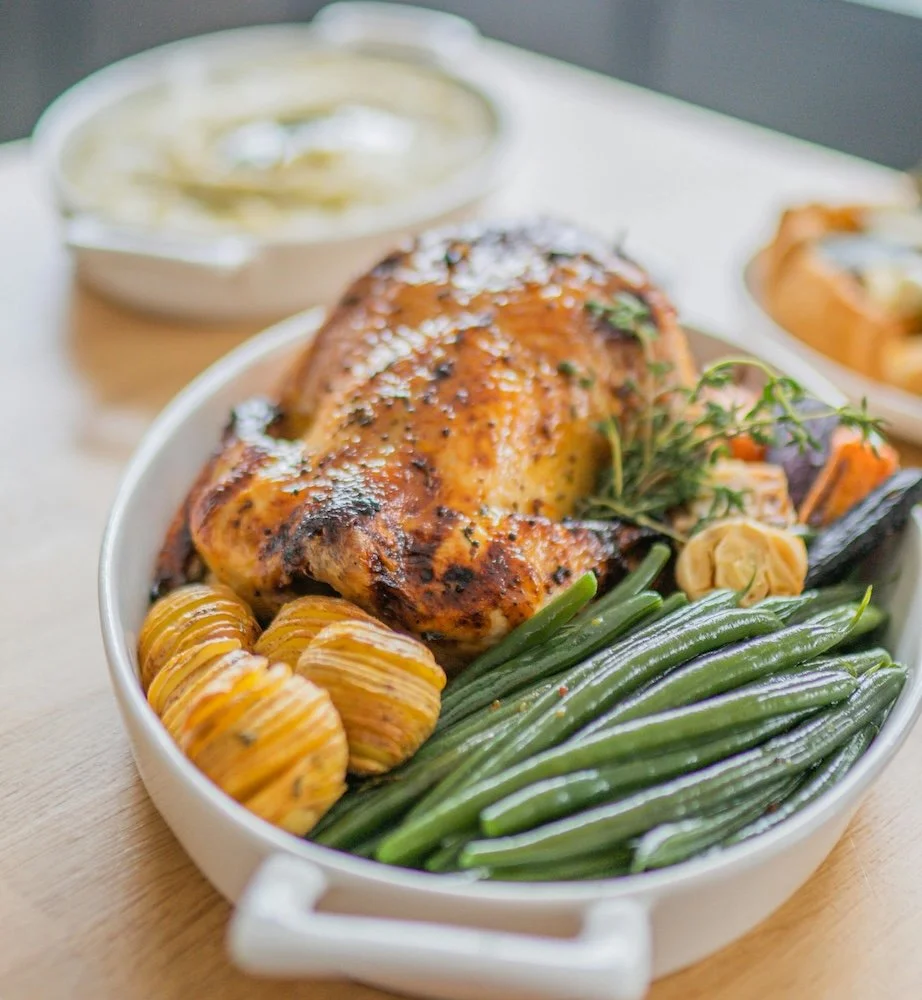
Aim for at least 25-30 grams of protein when you break your fast. That's not a tiny piece of chicken breast; that's a proper palm-sized portion. Think eggs with salmon, Greek yoghurt with nuts and seeds, or a quality protein shake if you're in a rush. Make protein the star of every meal during your eating window.
Let me tell you, this isn’t easy…I thought I was doing well in this department and then I decided to track it with the Chronometer app (a great app to track your macros and micronutrients) and suddenly realised I was doing circa 70-80gms a day… eek! I am now at the 115-135 mark and feel like all I do is eat, and yet, I feel better, Xmas weight is coming down. It really has to be intentional.
Healthy Fats: The Secret to Staying Satisfied
Fats don't spike your insulin, they keep you full for hours, and they support your hormone production (hello! We need all the help we can get in that department!). Include avocado, olive oil, nuts, seeds, oily fish like salmon or mackerel, and even a bit of butter or coconut oil.
Don't be afraid of fat. The low-fat craze of the 90s did us no favours, and it's especially unhelpful now. Good Fat is your friend, particularly when fasting.
Smart Carbohydrates: Choose Wisely
Carbs aren't the enemy (remember my blog on this?), but you do need to be choosier about them, especially during menopause. Stick with complex carbs that come with fibre: quinoa, sweet potatoes, brown rice, oats, legumes, and plenty of non-starchy vegetables.
These release energy slowly, keep your blood sugar stable, and feed your gut bacteria (which, by the way, plays a huge role in how well you navigate menopause). Load up on colourful vegetables at every meal. They're packed with phytonutrients that help with inflammation and hormone balance.
Fibre: The Unsung Hero
Fibre does everything: it feeds your good gut bacteria, helps eliminate excess oestrogen, keeps you regular (yes, we're going there), and slows down sugar absorption. Get it from vegetables, fruits with the skin on, legumes, nuts, seeds, and whole grains. Aim for at least 25-30 grams daily. Your gut will thank you.
The great news here is that if you focus on piling your plate up with what I’ve said above, you will be crowding out the space for all the stuff that doesn’t serve you. Believe me, you’ll be plenty full and satisfied!
The Foods That Will Sabotage Your Fasting Efforts
Now for the tough love part. These are the foods that will undo your hard work:
Refined Sugars and Processed Carbs
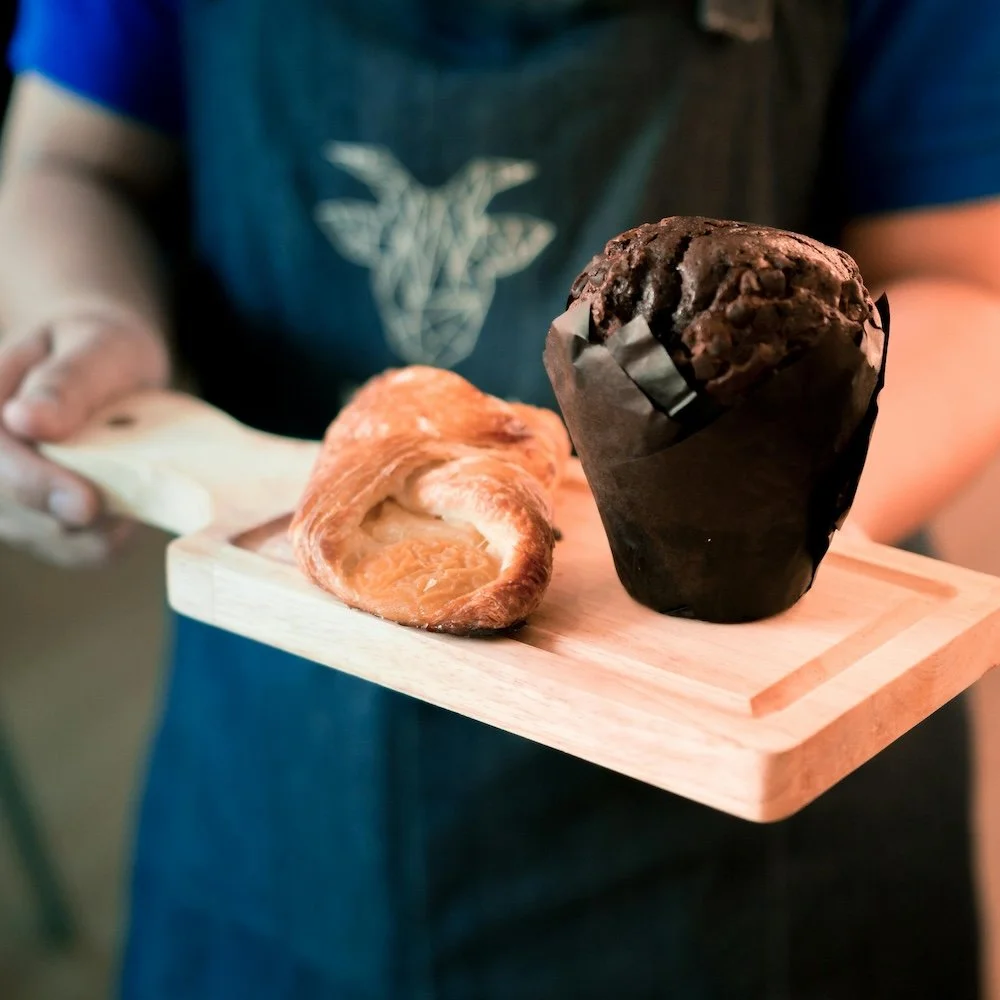
Biscuits, cakes, white bread, pastries, sugary cereals, that "healthy" granola that's basically dessert in disguise. These spike your blood sugar faster than you can say hot flush, trigger insulin release, promote inflammation, and leave you hungry an hour later. If you're going to fast, don't waste your eating window on these.
Ultra-Processed Foods
If it comes in a packet with ingredients you can't pronounce, think twice. Ready meals, packaged snacks, and processed meats are loaded with additives, unhealthy fats, and sodium that promote inflammation and mess with your hormones. Your body during menopause is already working overtime; don't make it process junk too.
Excessive Alcohol
I know, I know. But hear me out. Alcohol disrupts your blood sugar regulation, interferes with fat burning, wrecks your sleep quality (which is probably already terrible), and puts extra stress on your liver (which is busy trying to metabolise hormones). If you're going to drink, keep it minimal and never break your fast with alcohol. Save it for later in your eating window and stick to one glass.
Or, better still it’s not too late to join me. I’m doing a DRY 2026 and my fabulous husband has jumped on board with me! I can’t tell you how good I feel and I wasn’t even drinking that much before.
Too Much Caffeine (Especially on an Empty Stomach)
Black coffee during your fasting window is generally fine, but breaking your fast with just coffee? Not ideal. It can spike cortisol, increase anxiety, and leave your blood sugar all over the place. If you love your morning coffee, have it with or after a balanced meal. Your nervous system will cope much better.
I’ve noticed I can’t do caffeine at all on an empty stomach…even if I have a couple of teas, I get the jitters now…so I hold off until I have some good food and stick to decaf.

How to Structure Your Meals During Your Eating Window
Don't try to cram all your food into one massive meal. This overwhelms your digestive system and defeats the purpose. Instead, aim for two or three balanced meals during your eating window. Personally, I struggled with getting 3 meals in when I do a full 16:8 intermittent fasting but seem to have it just about right with 14:10…keep experimenting as I am to find your sweet spot.
Start with something gentle when you break your fast. Think bone broth (thanks @Davina for the reminder!), a small serving of berries, or a handful of nuts before moving on to your main meal. Give your digestive system a moment to wake up.
Each meal should include protein, healthy fats, fibre-rich carbs, and plenty of vegetables. Build your plate like this: half vegetables, a quarter protein, a quarter smart carbs, and a good dollop of healthy fat.
Hydrate between meals with water, herbal tea, or electrolyte drinks (without sugar). Dehydration can masquerade as hunger and make fasting unnecessarily miserable.
The Bottom Line: Fasting Is Only Part of the Equation
Intermittent fasting can be a powerful tool for managing menopause symptoms, improving energy, and supporting your health. But it's not magic. The quality of food you eat during your eating window will either amplify the benefits or completely undermine them.
Think of it this way: fasting gives your body time to clean and repair. Nutrient-dense food gives it the building blocks to actually do that work. Junk food just creates more mess to clean up.
You're doing the hard part by fasting. Don't waste that effort by eating rubbish during your eating window.
Choose foods that support your body, honour the work it's doing, and actually help you thrive through this transition.
Quick Answers to Your Burning Questions:
Q: Can I have lemon water or herbal tea during my fasting window?
A: Yes! Plain water, black coffee, and herbal teas (without sweeteners or milk) won't break your fast. Lemon water is fine as long as you're not adding honey or sugar. Just keep it simple—if it has calories, it breaks your fast.
Q: What if I feel really hungry during my fasting window? Should I push through?
A: Listen to your body. True hunger (as opposed to habit or boredom) is your body's way of communicating. If you're feeling dizzy, shaky, or genuinely unwell, break your fast. Fasting should make you feel energised, not miserable. You might need to adjust your eating window or what you're eating during it. Also, make sure you're drinking enough water—thirst often masquerades as hunger.Grab my “Fasting for women in Menopause” guide. Simply click here to get your copy. It will take you through exactly who to integrate fasting so this doesn’t happen.
Q: Do I need to eat less overall if I'm fasting, or the same amount in a shorter window?
A: You still need adequate calories and nutrients—don't use fasting as an excuse to drastically undereat. During menopause, undereating can backfire spectacularly, slowing your metabolism even further and worsening symptoms. Your meals during your eating window should be substantial and satisfying. Think of it as condensing your normal intake into fewer, more nutrient-dense meals, not starving yourself.
Q: I'm on a 16:8 fasting schedule. Should I eat breakfast or skip it?
A: This is entirely personal preference and lifestyle dependent. Some women feel better eating their first meal at midday and finishing by 8pm. Others prefer an early breakfast (say 8am) and finish eating by 4pm. The key is consistency and choosing a window that fits your life. If you're a breakfast person who gets shaky without it, don't force yourself to skip it. Make fasting work for you, not the other way around.
Q: Does adding milk or cream to my coffee break my fast?
A: Yes, it does. Anything with calories breaks your fast, and that includes milk, cream, sugar, or even that splash of almond milk. If you're drinking coffee during your fasting window, it needs to be black. Same goes for tea—no honey, no sugar, no milk. If you absolutely can't stand black coffee, save your fancy latte for when you break your fast. Water, black coffee, and plain herbal teas are your only friends during fasting hours.
Q: What about snacks? Can I have them during my eating window?
A: If you're genuinely hungry between meals, a small snack is fine—think a handful of nuts, some hummus with veggie sticks, or Greek yoghurt. But ideally, if your meals are balanced with enough protein and healthy fats, you shouldn't need to snack constantly. Constant grazing keeps your insulin elevated. Aim for 2-3 substantial meals rather than lots of little ones.
Put the mask on you first, choose foods that support you in your eating window and thrive again!
Want more evidence-based perimenopause and menopause advice straight to your inbox?
Subscribe below and get my FREE Top Sleep Tips for Women in Menopause PDF.